Bulk or Bagged Mulch: Which One Fits Your Flower Beds?
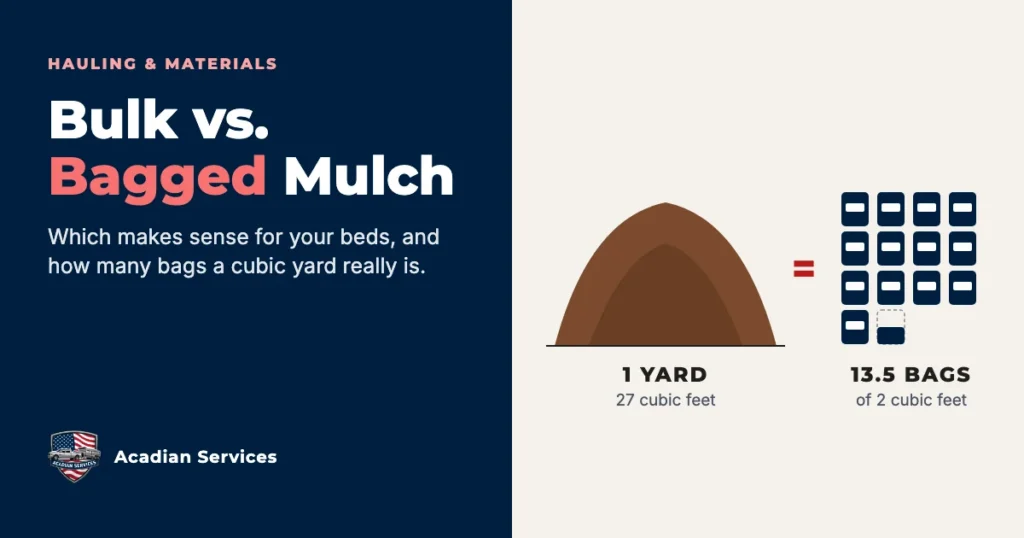
Quick answer: Bagged mulch makes sense for a small bed or a quick touch-up, and bulk mulch makes sense once the job needs a cubic yard or more. One cubic yard is 27 cubic feet, the same as 13.5 of the common 2-cubic-foot bags. Measure your beds, figure the volume, then price both ways before you buy.
TLDR:
- Bags fit small jobs: a single bed, a tree ring, or a top-up.
- Bulk fits bigger jobs: it is sold by the cubic yard.
- One cubic yard equals 13.5 bags of 2 cubic feet, or 9 bags of 3 cubic feet.
- Spread mulch 2 to 4 inches deep and keep it off tree trunks.
- One yard covers about 162 square feet at 2 inches, or 108 at 3 inches.
- Price both ways for your exact volume before you commit.
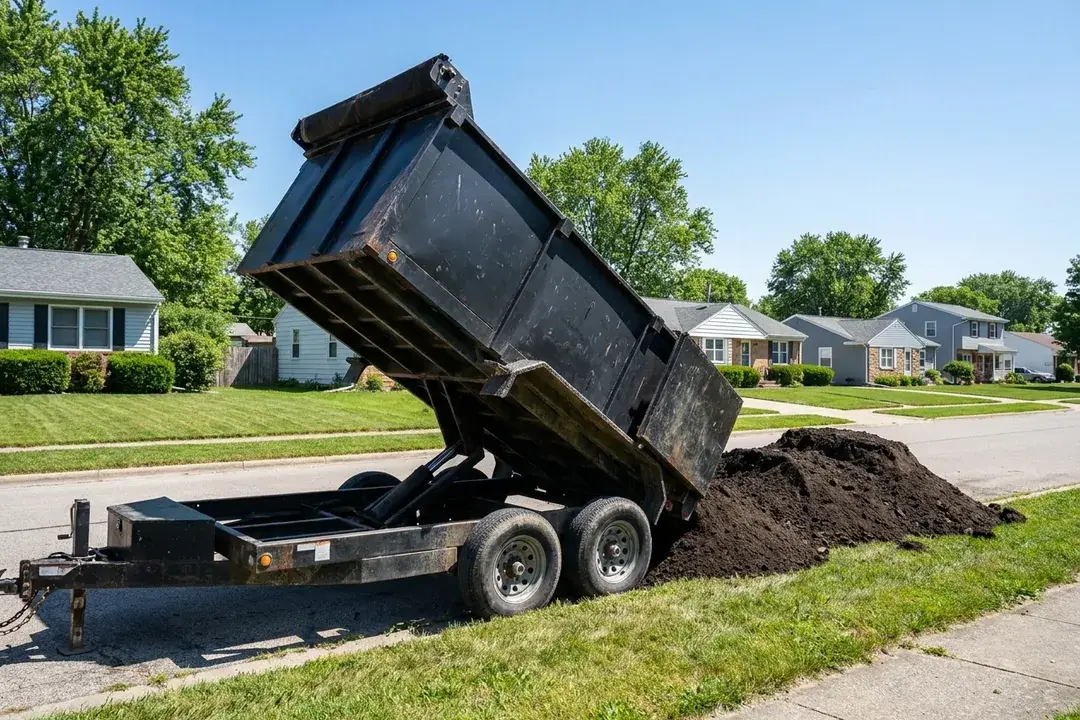
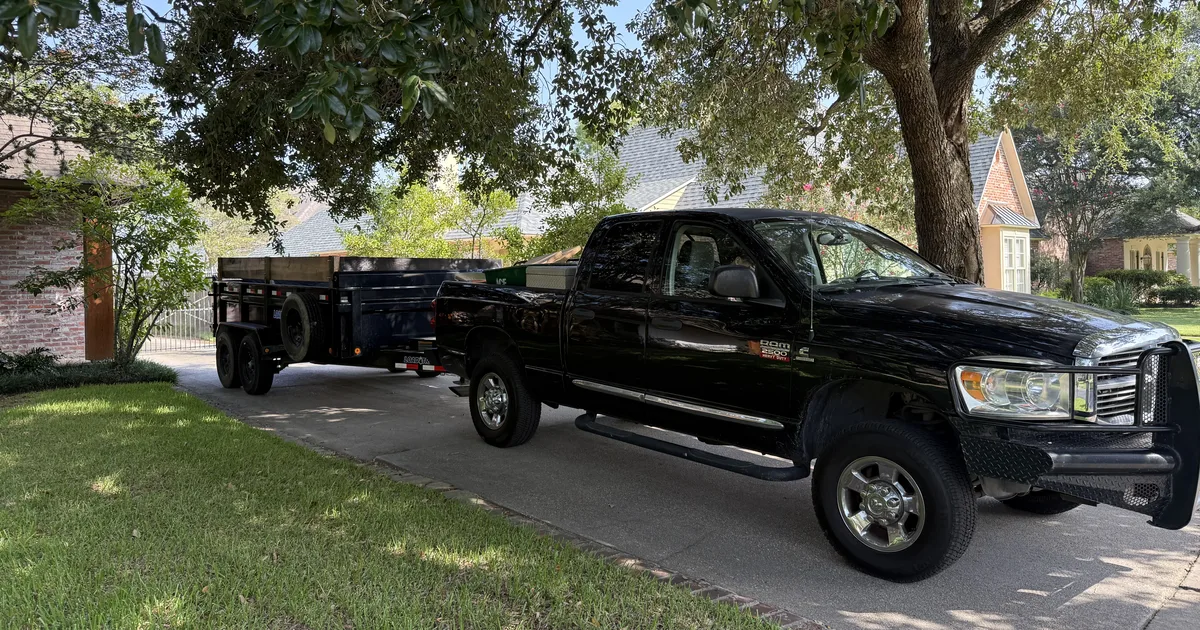
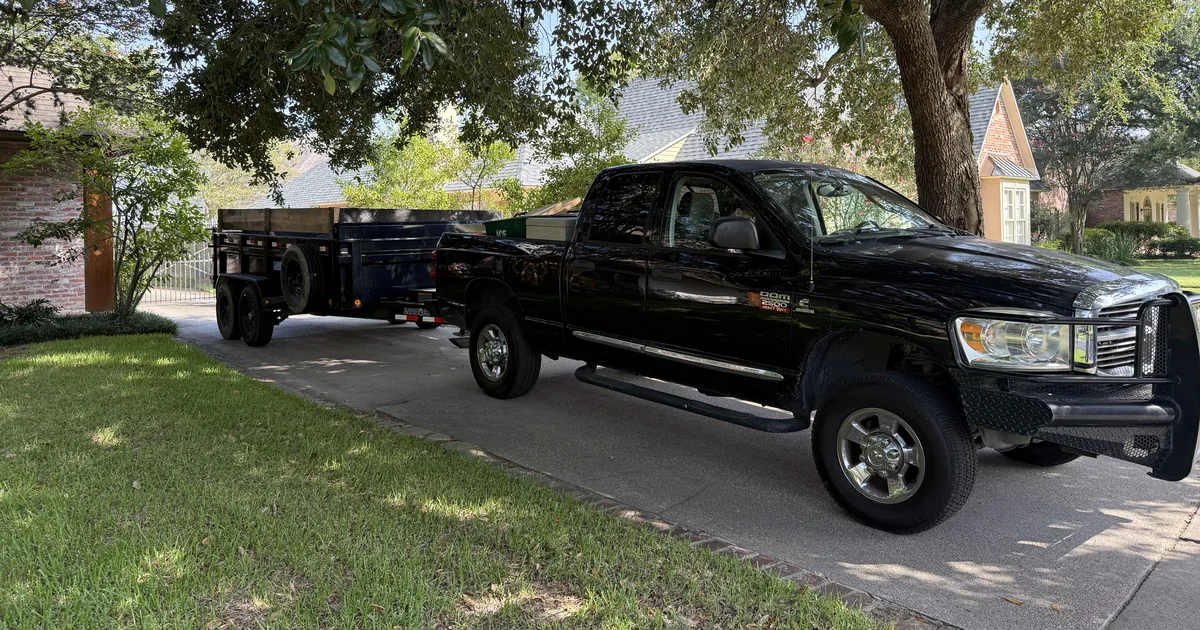
- We haul bulk mulch up to four yards a load and drop it where the beds are going.
Fall is mulching season in Denham Springs, Walker, and Watson. The LSU AgCenter’s October 2024 mulching guide recommends refreshing mulch every fall and spring. Our heavy rains matter too, because light bark can float right out of a bed. So how you buy it, and what you buy, both count.
Mulching more than a bed or two this season? Send us the size of your beds. We will tell you how many yards it takes and drop the load where the beds are going.
How Much Mulch Is in a Bag vs. a Cubic Yard?
Bags and bulk are measured in different units, which is why the comparison gets confusing. Convert both to cubic feet and it gets simple.
Iowa State University’s Yard and Garden guide to figuring mulch says mulch is commonly sold in 2- or 3-cubic-foot bags, and by the cubic yard when bought in bulk. One cubic yard is 27 cubic feet. Mississippi State Extension’s mulch publication adds that some bags hold 1.25 cubic feet.
| Bag size | Bags in one cubic yard |
|---|---|
| 1.25 cubic feet | About 21.6 bags |
| 2 cubic feet | 13.5 bags |
| 3 cubic feet | 9 bags |
Check the bag size printed on the label before you count. The same yard of mulch can be 9 bags or more than 21, depending on what the store stocks.
That one yard goes further or shorter depending on how thick you spread it, which is the next thing to settle.
How Far Does a Cubic Yard of Mulch Go?
Depth decides coverage. Spread mulch too thin and weeds come through, and spread it too thick and plants suffer.
The October 2024 LSU AgCenter guide says the layer needs to be 2 to 4 inches thick to work well, and that piling it deeper can smother roots. LSU’s Proper Mulching guide puts organic mulch in beds at about 2 inches for weed control. Around new transplants, it says to start with no more than 1 inch.
| Depth | One cubic yard covers | 2-cubic-foot bags per 100 sq ft |
|---|---|---|
| 1 inch | 324 square feet | About 4 bags |
| 2 inches | 162 square feet | About 8 bags |
| 3 inches | 108 square feet | About 12 or 13 bags |
| 4 inches | 81 square feet | About 17 bags |
The math matches the Iowa State method: square feet times depth in feet gives cubic feet. Mississippi State’s own example is a 5-by-20-foot border mulched 4 inches deep, which needs about 33 cubic feet, a little more than one cubic yard.
For the full breakdown of yard sizes, see our guide to what a cubic yard looks like and covers. Once you know your volume, the bags-or-bulk choice gets much clearer.
When Does Bagged Mulch Make Sense?
Bags win on small, scattered, or hard-to-reach jobs. They are easy to carry, easy to store, and you only buy what you open.
The LSU AgCenter guide suggests 2-cubic-foot bags for small areas. Bags are a good fit when:
- The job is under about a cubic yard, such as one bed or a few tree rings.
- The beds are behind a fence or up a slope, where you carry one bag at a time.
- You want a few kinds of mulch in different spots.
- You are only topping up a bed that already has a good layer.
Pine straw is its own case. An LSU AgCenter pine straw release from 2009 says most bales sold in Louisiana hold 3 to 6 cubic feet. It adds that a 3-cubic-foot bale covers about 50 square feet 3 inches deep.
Past a yard or so, the bag count climbs fast. That is where bulk starts to pay off in time and lifting.
When Is Bulk Mulch the Better Buy?
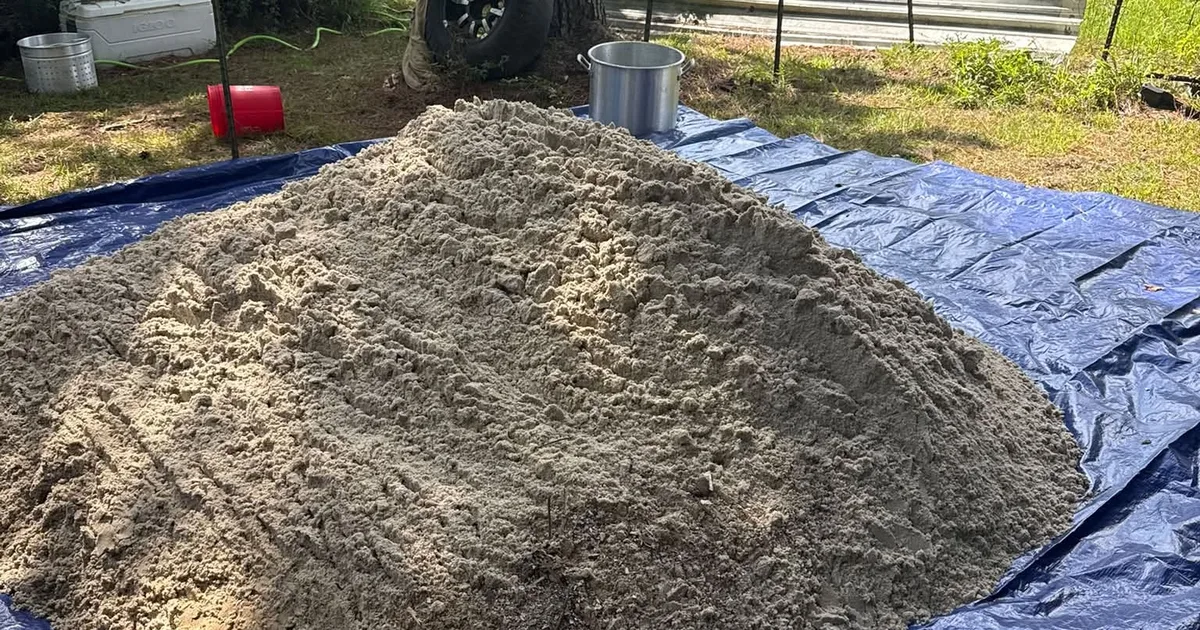
Bulk earns its keep on big beds, new plantings, and full-yard refreshes. One pile replaces a stack of bags and a few trips to the store.
The same LSU guide says to have a load delivered for larger projects. The numbers explain why. Three yards of mulch is 40.5 bags of the 2-cubic-foot size, each one lifted, hauled, and cut open.
Bulk is not automatically cheaper, though. Mississippi State Extension advises comparing the bulk price with the price of smaller units before you buy by the yard. Price your exact volume both ways.
Bulk also asks a little more of you:
- A drop spot. The pile needs a firm, reachable place near the beds.
- A plan to spread it. A rake and a wheelbarrow make short work of it.
- A watch on the pile. Mississippi State notes that mulch can sour, smelling like vinegar, ammonia, or sulfur, and that sour mulch can damage plants. Turning the pile helps.
Going the bulk route? Tell us the yards you need and where the beds are. Bulk mulch, topsoil, and stone get dropped where the beds are going, not at the end of the driveway.
How Do You Plan a Bulk Mulch Drop?
A little planning keeps the pile from sitting in the wrong place for a week. Work through these steps before the load shows up.
- Measure each bed in feet and add up the square footage.
- Pick your depth, usually 2 to 3 inches for beds.
- Figure the yards. Square feet times depth in feet, divided by 27.
- Weed first. Mississippi State recommends weeding an area before you mulch it.
- Choose the drop spot and lay a tarp if you want the grass protected.
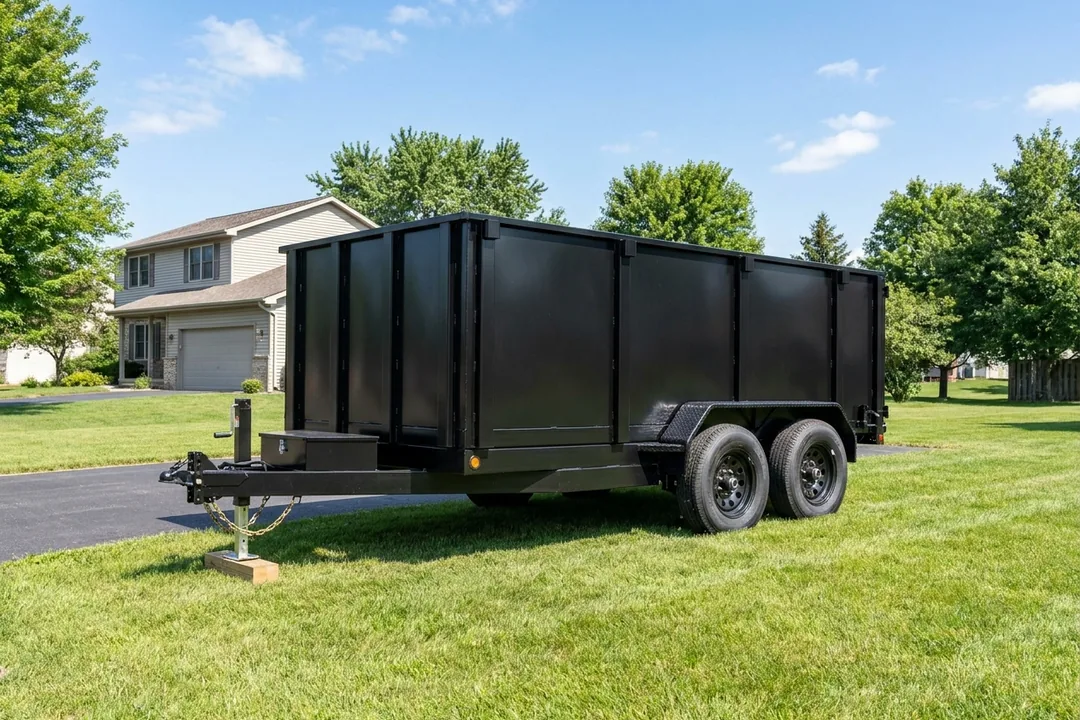
Our bulk mulch and material hauling runs up to four yards a load. At 3 inches deep, a four-yard load covers about 432 square feet. Bigger jobs run as multiple loads, quoted together.
Hauling is priced by material, volume, and distance, and you approve one number before anything gets loaded. That leaves only the spreading, and a few common mistakes to avoid.
What Mulching Mistakes Waste Material?
Most wasted mulch comes from the wrong depth or the wrong spot. These are the ones LSU and Mississippi State warn about.
- Spreading it too thin. LSU says thin mulch will not stop weed seeds from sprouting.
- Piling it against trunks. LSU warns against “volcano” mulching, and Mississippi State says to pull mulch back 2 to 3 inches from the trunk.
- Using light bark where water runs. LSU’s Proper Mulching guide says ground pine bark can float away in heavy rain, while pine straw stays put.
- Putting bark in a vegetable garden. The October 2024 LSU guide says bark can tie up nitrogen there.
- Mulching over weeds. Pull them first, or they keep growing under the layer.
If the beds need fresh soil underneath before the mulch goes on, our guide to choosing topsoil, fill dirt, or sand covers which material to use.
Common Questions About Bulk and Bagged Mulch in Livingston Parish
These are the questions homeowners ask before buying mulch for the season. Most come down to how many square feet you are covering and how deep you want it.
How Many Bags of Mulch Are in a Cubic Yard?
A cubic yard is 27 cubic feet. That works out to 13.5 bags of the common 2-cubic-foot size, or 9 bags of the 3-cubic-foot size. Smaller 1.25-cubic-foot bags take about 21.6 to make a yard. Check the bag label, since sizes vary by store and brand.
Is Bulk Mulch Cheaper Than Bagged Mulch?
It depends on the supplier and how much you need. Mississippi State Extension advises comparing the bulk price with the cost of smaller units before you buy by the yard. Price your exact volume both ways, and count delivery or hauling in the bulk number.
How Deep Should Mulch Be in Flower Beds?
LSU AgCenter says a mulch layer works best at 2 to 4 inches, and its Proper Mulching guide suggests about 2 inches in beds for weed control. Around new transplants, start with no more than 1 inch. Keep mulch pulled back from tree trunks and shrub stems.
How Many Square Feet Does a Yard of Mulch Cover?
One cubic yard covers about 324 square feet at 1 inch deep, 162 at 2 inches, 108 at 3 inches, and 81 at 4 inches. To figure your beds, multiply the square feet by the depth in feet, then divide by 27 to get cubic yards.
Is Pine Straw or Bark Better for Louisiana Beds?
Both work. LSU AgCenter says ground pine bark looks nice but can float away in heavy rain when water runs through a bed, while pine straw stays in place. LSU also notes pine straw is less effective at blocking weeds than wood mulch, so choose based on your beds.
What Should I Do if a Mulch Pile Smells Sour?
Mississippi State Extension says mulch that smells like vinegar, ammonia, sulfur, or silage has gone sour and can damage plants. Its fix is to turn the pile, so air gets in. Spreading a bulk pile soon after it arrives gives it less time to sit.
How Much Bulk Mulch Can You Haul in One Load?
Our general hauling runs up to four yards a load, which covers about 432 square feet at 3 inches deep. Bigger jobs run as multiple loads, quoted together. Hauling is priced by material, volume, and distance, and you approve the number before anything is loaded.
Ready to mulch the beds? Acadian Services is one owner and one truck, serving Denham Springs and Livingston Parish. You get the price before anything rolls, and the person who quotes the job is the person who shows up. See how we work, then send your bed sizes.